Lawn maintenance and snow removal are two essential tasks that homeowners must consider throughout the year to keep their properties in top shape. A well-maintained lawn not only enhances the curb appeal of a home but also provides a space for relaxation and outdoor activities. Regular lawn maintenance involves activities such as mowing, watering,fertilizing, and weed control, ensuring that the grass remains healthy and vibrant.
On the other hand, snow removal becomes crucial during the winter months when snowfall can create hazards and inconvenience. Proper snow removal not only ensures safe access to driveways and walkways but also prevents damage to property. Snow removal methods include shoveling, snow blowing, and de-icing, all aimed at efficiently clearing snow and maintaining a safe environment for homeowners and visitors.
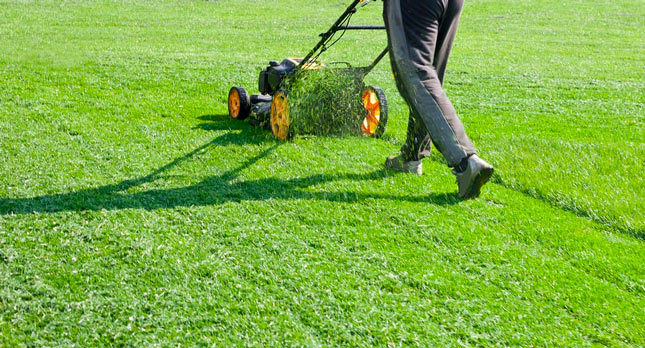
Essential Tips for Lawn Maintenance and Snow Removal
When it comes to lawn maintenance, there are a few essential tips to keep in mind. First, make sure to regularly mow your lawn to keep it looking neat and tidy. This will also help prevent weeds from taking over. Second, remember to water your lawn deeply and infrequently, rather than giving it frequent shallow waterings. This will encourage deep root growth and make your lawn more drought-resistant. Finally, don’t forget to fertilize your lawn regularly to keep it healthy and green.
Now, let’s talk about snow removal. The most important tip is to be prepared. Make sure you have a shovel or snow blower, as well as ice melt or sand to prevent slips and falls. It’s also a good idea to clear snow as soon as possible to prevent it from compacting and becoming more difficult to remove. When shoveling, remember to take breaks and lift with your legs, not your back, to avoid injury. And don’t forget to clear your sidewalks and driveway completely to ensure the safety of yourself and others.
Another essential tip for both lawn maintenance and snow removal is to hire professionals if you’re unable to do it yourself or simply don’t have the time. Professional lawn care services can take care of mowing, fertilizing, and even landscaping, leaving you with a beautiful lawn without the hassle. Similarly, snow removal services can save you time and effort during the winter months, ensuring that your property is safe and accessible.
Lastly, it’s important to be mindful of the environment when it comes to both lawn maintenance and snow removal. Avoid overusing chemicals on your lawn and opt for natural alternatives whenever possible. When clearing snow, try using eco-friendly ice melt products that won’t harm plants or contaminate water sources. By taking these small steps, you can contribute to a healthier and more sustainable outdoor environment.
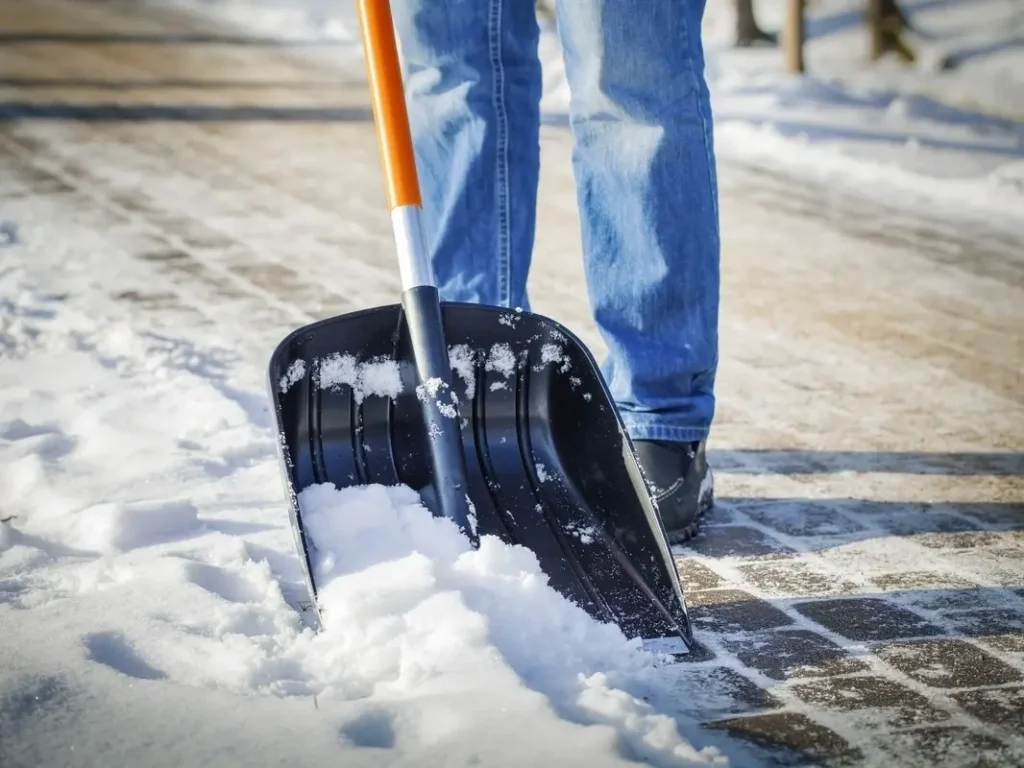
Expert Advice on Maintaining Your Lawn and Clearing Snow
Clear driveways & walkways all winter
0.5 cm trigger, unlimited visits, Oct 15 – Apr 15.
What we handle each season
- Snow removal — driveways, walkways & sidewalks
- 0.5 cm trigger keeps surfaces clear all season
- Ice melt on city sidewalks as needed
- One visit every 24 hours during continuous snowfall
When it comes to maintaining your lawn, expert advice can make all the difference. One of the most important things to remember is to regularly mow and water your lawn. This will help keep it healthy and prevent weeds from taking over. Additionally, it’s important to fertilize your lawn at least once a year to ensure it gets the nutrients it needs to thrive.
Another crucial aspect of lawn maintenance is aerating the soil. This involves creating small holes in the lawn to allow air, water, and nutrients to penetrate deep into the roots. Aeration helps to prevent soil compaction and encourages healthy root growth. It’s recommended to aerate your lawn at least once a year, especially if you have heavy foot traffic or clay soil.
Now, let’s talk about snow removal. When winter arrives, it’s important to have a plan in place to clear snow from your driveway and walkways. One of the most efficient methods is to use a snow blower. These machines are designed to quickly and effectively remove snow, saving you time and effort. Remember to clear the snow as soon as possible to prevent it from becoming compacted and turning into ice.
If you prefer a more traditional approach, a shovel can also do the job. However, it’s important to use proper technique to avoid straining your back. Take small, manageable scoops and use your legs to lift the snow instead of your back. Additionally, it’s helpful to spray a de-icing agent on your driveway and walkways to prevent ice from forming.
Remember, safety should always be your top priority when maintaining your lawn and clearing snow. If you’re unsure about any aspect or need assistance, it’s always a good idea to consult with a professional. By following expert advice and taking the necessary precautions, you can ensure a beautiful and safe outdoor space all year round.
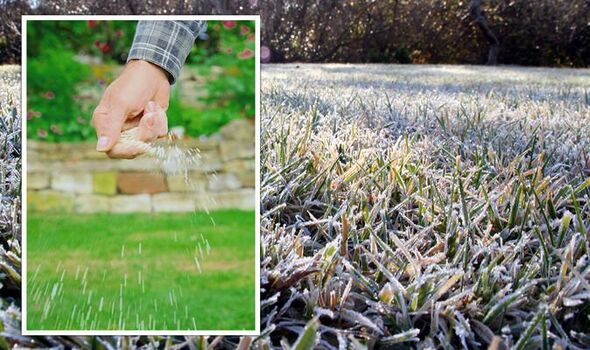
The Importance of Regular Lawn Care and Effective Snow Removal Techniques
Regular lawn care and effective snow removal techniques are essential for maintaining the beauty and functionality of your outdoor space throughout the year. A well-maintained lawn not only enhances the aesthetics of your property but also provides a safe and inviting environment for outdoor activities. Snow removal, on the other hand, is crucial for ensuring the safety of your family and visitors during winter months.
Lawn care involves a range of activities such as mowing, fertilizing, watering, and weed control. Regular mowing helps promote healthy growth and prevents the accumulation of excessive thatch. Fertilizing provides the necessary nutrients for the grass to thrive and maintain its vibrant green color. Adequate watering ensures proper hydration and prevents the grass from becoming dry and brittle. Effective weed control measures help eliminate unwanted plants that can compete with the grass for nutrients and sunlight.
Snow removal is a critical task that cannot be overlooked during the winter season. Accumulated snow can pose significant risks, such as slips, falls, and accidents. Efficient snow removal techniques, such as shoveling, plowing, and de-icing, are essential for maintaining clear pathways, driveways, and parking areas. By promptly and effectively removing snow, you ensure the safety of yourself, your family, and anyone who accesses your property.
Regular lawn care and effective snow removal techniques are also important for the health of your lawn. Neglecting these tasks can lead to a range of issues, such as the development of disease and pests. Proper lawn care practices promote strong root development, which in turn helps the grass withstand harsh weather conditions, including heavy snowfall. Additionally, timely snow removal prevents the formation of ice dams, which can damage the grass and underlying soil, leading to long-term damage.
Investing time and effort in regular lawn care and effective snow removal techniques pays off in the long run. A well-maintained lawn not only enhances the curb appeal of your property but also adds value to it. It creates a pleasant outdoor space where you can relax, entertain guests, and enjoy outdoor activities. By prioritizing regular lawn care and snow removal, you ensure the longevity and health of your lawn, saving you from costly repairs and renovations in the future.
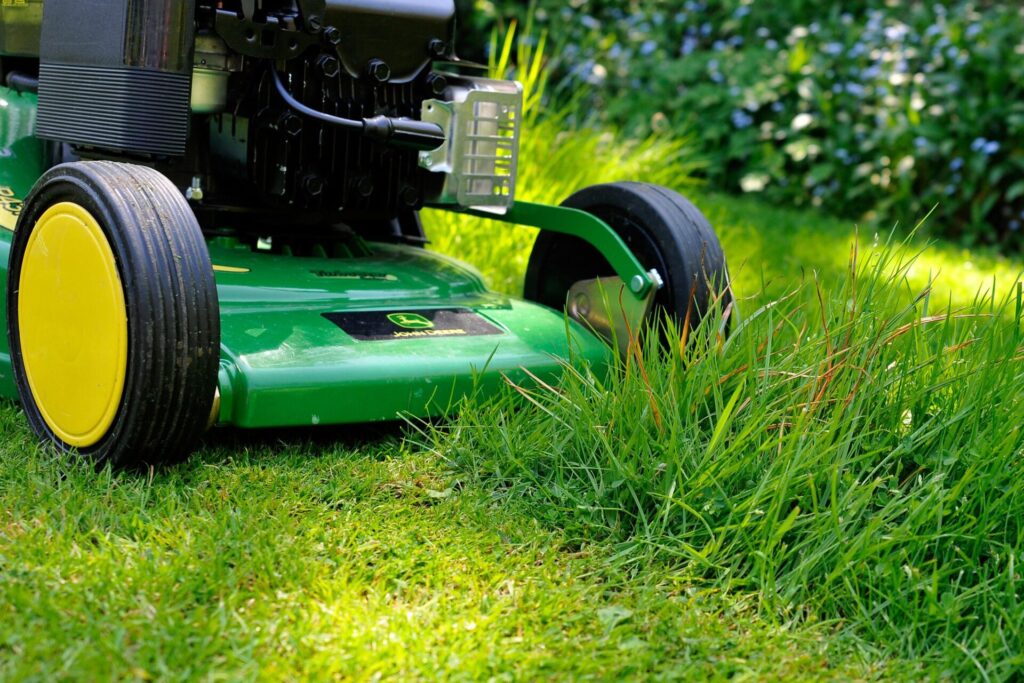
Step-by-Step Guide to Lawn Maintenance and Snow Removal
Maintaining a well-groomed lawn and ensuring efficient snow removal are essential tasks for homeowners. To help you achieve a beautiful and snow-free landscape, we have prepared a step-by-step guide that will simplify the process.
Lawn Maintenance:
1. Start by mowing your lawn regularly, ensuring you never cut more than one-third of the grass height at a time. This maintains a healthy lawn by promoting root growth and preventing weed invasion.
2. After mowing, it’s time to water your lawn. Aim for a deep watering session once or twice a week to encourage deep root growth. Avoid shallow watering, as it can lead to weak roots and susceptible to drought.
3. Fertilizing your lawn is crucial for its overall health. Choose a high-quality fertilizer and apply it according to the manufacturer’s instructions. Be sure to water the lawn immediately after application to activate the fertilizer.
4. Keep an eye out for weeds and pests. Regularly inspect your lawn and promptly address any signs of weeds or pest infestation. Use appropriate herbicides or pesticides to eliminate these nuisances and protect your grass.
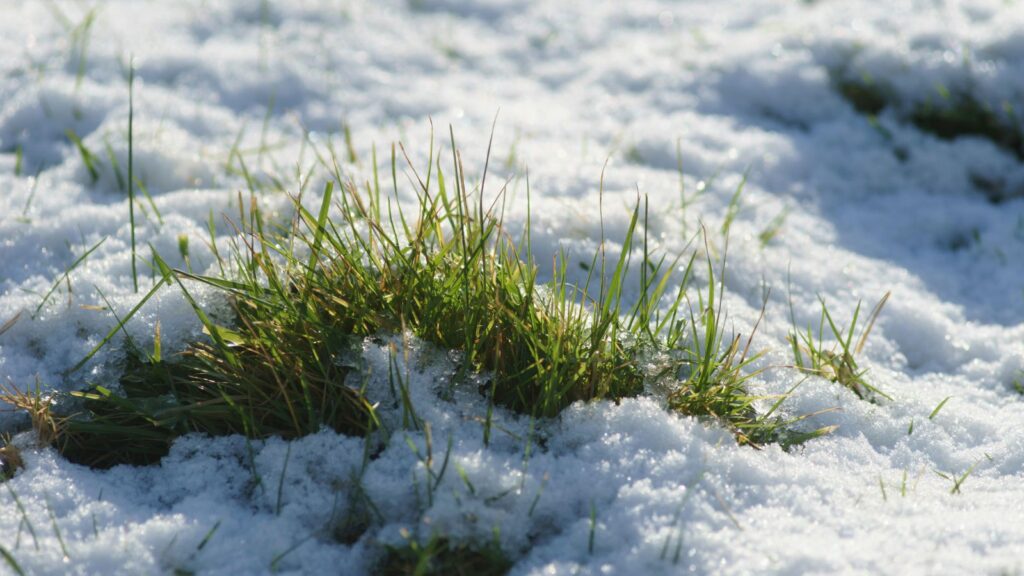
Snow Removal:
1. Invest in a reliable snow shovel or snow blower to make the removal process more manageable. Clearing snow promptly will prevent it from compacting and turning into ice, which can be hazardous.
2. Prioritize safety by wearing appropriate winter gear, such as gloves, boots, and a warm coat. Clear a safe path on your driveway and walkways before tackling other areas.
3. Shovel snow in layers, starting with a small amount and gradually working your way up. This prevents excessive strain on your back and makes the process more efficient.
4. Consider using a de-icer or salt to melt any remaining ice on your surfaces. However, use these products sparingly, as they can be harmful to plants and the environment. Opt for eco-friendly alternatives whenever possible.
By following this step-by-step guide to lawn maintenance and snow removal, you can keep your outdoor space in top shape throughout the year. Remember to prioritize safety and take pride in your efforts to maintain a beautiful and safe landscape.
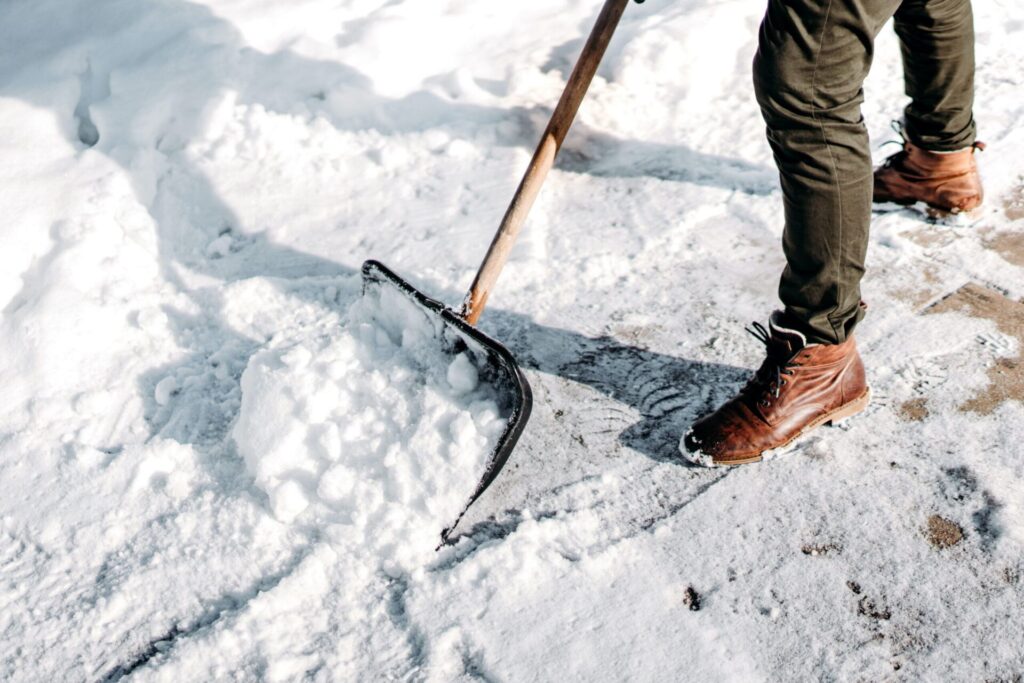
Top Strategies for Successful Lawn Maintenance and Efficient Snow Removal
Maintaining a healthy and vibrant lawn requires regular care and attention. One of the most important strategies for successful lawn maintenance is regular mowing and trimming. Keeping the grass at an optimal height not only improves its appearance but also promotes healthy growth. It is recommended to mow the lawn at least once a week during the growing season and adjust the cutting height according to the grass type.
Fertilizing the lawn is another crucial aspect of lawn maintenance. By supplying the grass with essential nutrients, it becomes more resistant to diseases, weeds, and extreme weather conditions. It is advisable to use a slow-release fertilizer that provides a steady supply of nutrients over time. Applying fertilizer in the early spring and fall will help strengthen the grass roots and ensure a lush green lawn.
Proper watering is essential for maintaining a healthy lawn. Watering deeply and infrequently encourages strong root growth and prevents shallow roots. It is recommended to water the lawn early in the morning to minimize evaporation and disease development. Using a sprinkler system or drip irrigation can help ensure even water distribution.
Weed control is a crucial part of lawn maintenance. Weeds compete with the grass for nutrients, sunlight, and water, affecting its overall health and appearance. Regularly removing weeds by hand or using an appropriate herbicide can help keep the lawn weed-free. It is important to choose a selective herbicide that targets weeds while leaving the grass unharmed.
In addition to lawn maintenance, efficient snow removal is essential during the winter months. Clearing snow promptly not only ensures safe passage but also prevents damage to the lawn. Using a snow blower or shovel, remove snow from driveways, walkways, and other areas where foot traffic is expected. Applying ice melt or sand can help prevent ice formation and provide traction on slippery surfaces.
or all your lawn maintenance and snow removal needs, trust Somerset Lawn And Snow, your local experts in keeping your property beautiful and safe year-round! Don’t let the changing seasons stress you out—leave it to the professionals.
🌱 Ready to transform your lawn and conquer the snow? Contact us today for a FREE consultation and quote. Let’s make your outdoor space shine! ❄️
Don’t miss out on a well-maintained lawn and worry-free snow removal. Contact Somerset Lawn And Snow now!
Should you remove snow from lawn?
Removing snow from your lawn can be beneficial for several reasons. Excess snow cover can lead to issues such as mold growth and suffocation of grass, which may result in dead patches in the spring. Additionally, clearing snow allows sunlight to reach the grass, promoting healthier growth when the weather warms up.
Here are some key benefits of snow removal:
- Prevents mold growth: Reduces the risk of snow mold and other fungal diseases.
- Enhances sunlight exposure: Encourages photosynthesis and healthier grass.
- Minimizes ice damage: Prevents ice from forming, which can suffocate the grass.
What is the difference between snow plowing and snow removal?
Snow plowing and snow removal are two terms often used interchangeably, but they refer to different processes. Snow plowing involves pushing snow off roads and driveways using a plow attached to a vehicle, typically leaving some snow residue behind. This method is quick and efficient for clearing large areas but may not provide a completely clean surface.
On the other hand, snow removal refers to the complete process of not only clearing snow but also transporting it away from the area. This method often includes shoveling, salting, or using specialized equipment to ensure that surfaces are clear and safe for use. The main differences can be summarized as follows:
- Snow Plowing: Quick clearance, leaves some snow behind.
- Snow Removal: Complete clearing, snow is taken away.
Can you use a lawn tractor for snow removal?
Yes, you can use a lawn tractor for snow removal, provided it is equipped with the right attachments. Many lawn tractors can be fitted with snow plows or snow blowers, making them versatile tools for both lawn care and winter weather challenges.
When considering using a lawn tractor for snow removal, keep the following points in mind:
- Attachments: Ensure you have a compatible snow plow or blower attachment.
- Power: Check that the tractor has sufficient horsepower for snow removal tasks.
- Traction: Consider adding weights or chains to improve traction on icy surfaces.
- Maintenance: Regularly maintain your tractor to ensure it performs well in harsh winter conditions.
When to rake grass after winter in Canada?
In Canada, the ideal time to rake grass after winter typically falls between late March and early April, depending on the region and weather conditions. During this period, the snow has usually melted, and the ground has started to thaw. Raking too early can damage the grass, as the soil may still be frozen or saturated with water.
When raking, it’s important to consider the health of your lawn. Look for signs of growth, such as green shoots emerging from the soil. If your grass is not yet showing signs of life, it’s best to wait a bit longer. Raking too soon can disturb the delicate soil structure and harm the grass roots.
Additionally, you should also assess the amount of thatch buildup on your lawn. Thatch is a layer of organic material that can suffocate grass if it becomes too thick. To determine if raking is necessary, consider the following:
- If the thatch layer is more than 0.5 inches thick, it’s time to rake.
- Check for any dead grass or debris that may need to be removed.
- Ensure the lawn is dry enough to avoid damaging the soil.
Free quote, no pressure
We respond to inquiries within 1 hour during business hours.
Need help with your property?
Somerset Lawn and Snow handles lawn care, landscaping, and snow removal across South Calgary.