Winter is upon us, and that means snow. Unfortunately, snow can do some serious damage to your home and car if you aren’t careful. However, by following these tips you can reduce the impact of winter weather on your home and car:
Carefully shovel snow — especially on your car.
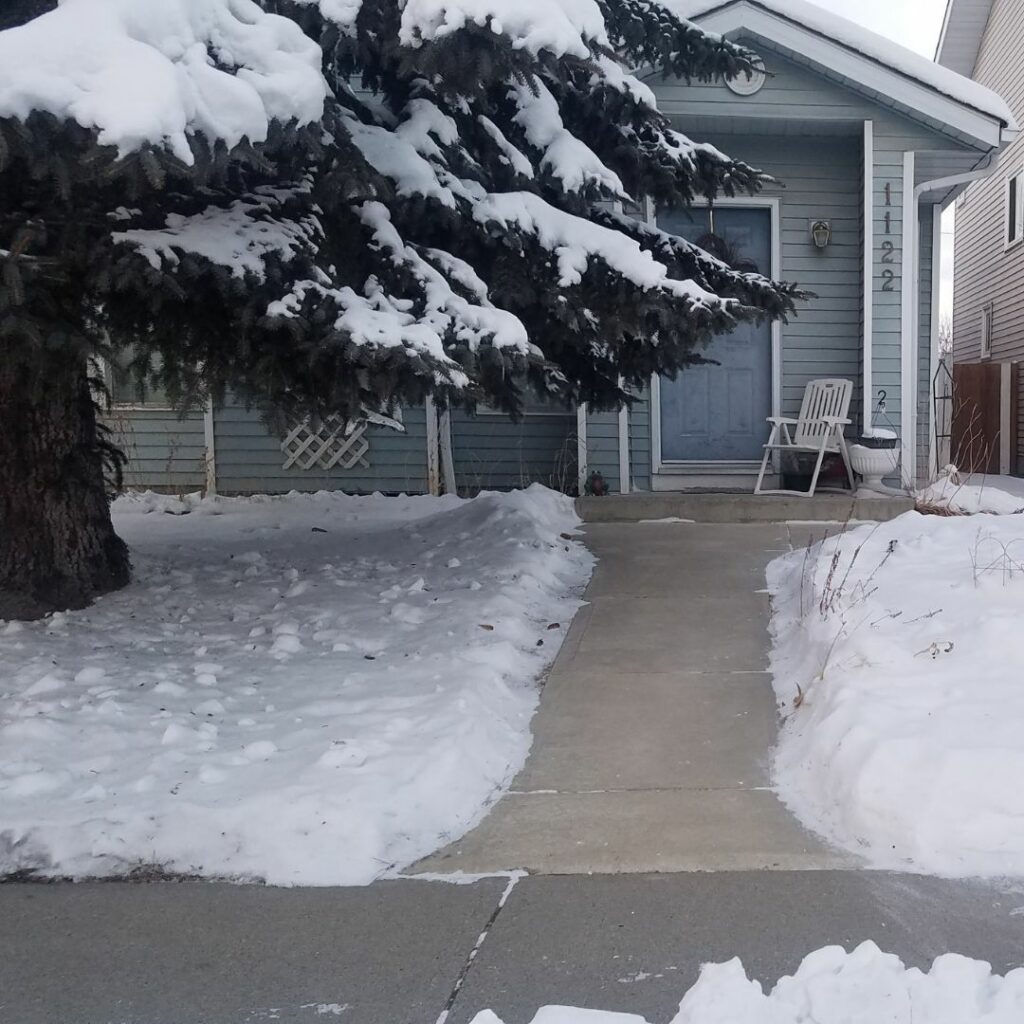
Clear driveways & walkways all winter
0.5 cm trigger, unlimited visits, Oct 15 – Apr 15.
There are a few simple ways to avoid snow damage to your car. First, never throw or push snow into the bed of your pickup truck or SUV—it can build up and cause serious damage to the undercarriage. Instead, use a shovel to remove it from the bed before driving off. If you don’t have access to a shovel, place an old blanket over the rear of your vehicle (make sure it covers all areas where water could collect) before starting out on icy roads with heavy snowfall.
What we handle each season
- Snow removal — driveways, walkways & sidewalks
- 0.5 cm trigger keeps surfaces clear all season
- Ice melt on city sidewalks as needed
- One visit every 24 hours during continuous snowfall
The same rules apply if you’re using a broom instead of a shovel: don’t sweep wet or slushy snow directly onto your car; instead pile it up on top of something else so that when someone drives by they won’t kick up more moisture into its interior area than necessary.
Keep warm air in, cold air out.
To keep as much of your home’s heat inside during the winter, you’ll want to make sure doors and windows are closed as much as possible. This will not only save you money on heating bills but also help prevent drafts that might cause water damage or mold growth. When it comes time to open the door or window, use weatherstripping around all edges to create a tighter seal. If your house has a forced-air system with vents in each room, make sure they’re shut when no one is home or while sleeping so that warm air doesn’t escape into the cold outside environment (or vice versa). You’ll know if this is happening because of temperature changes in different rooms; if there isn’t any noticeable difference between one area and another after turning off heat/AC units at night or when leaving for work/school in the morning, then there could be an issue with airflow through those vents! A quick fix would be placing draft dodgers over them for added protection..
Know what is inside your walls.
If you are having a problem with your insulation, it’s important to know what the problem is in order to fix it. First things first: check the attic for insulation. If there isn’t enough, then add more! This can be done by buying new materials from an eco-friendly store or from home improvement stores. Next, check around your baseboards for any holes or cracks where air may be entering into the house. Plug these holes and make sure no drafts get in through windows or doors either! Lastly, if there are still problems with drafts coming through windows and doors despite having plugged up all other holes in addition to adding more insulation throughout walls (or vice versa), consider installing storm windows over those openings during wintertime months so that cold air stays out while warm air stays in!
Clear snow off of your roof and overhangs.
- Clear snow off of your roof and overhangs. Snow can weigh down roofs, causing them to cave in, as well as overhangs. If this happens, water will leak into the house or car. To prevent this from happening, remove snow from your roof and overhangs immediately!
- Melt snow with a snow blower. If you don’t have one of these handy tools at home yet (and we highly recommend getting one), you can use an electric heater to melt the snow on your car by plugging it into the cigarette lighter socket on your dashboard and pointing it at where it needs melting
Protect your car’s body and windows.
Car bodies and windows can be damaged by snow. If you’re expecting a large amount of snow, it’s best to park your car in an area that will not be covered by the snowfall. If your car must remain outside during the storm, cover its body with a tarp.
If you plan on parking outside in the event of a heavy snowstorm, make sure that a plastic sheet is placed under the tarp so moisture does not seep through to your vehicle’s paint job or interior surfaces. Also make sure that any straps securing the tarp are tight enough so they do not blow away when strong winds come through!
Put away your firewood.
If you’re planning on storing firewood near your home, think again. Firewood can cause leaks in the roof and damage siding by creating cracks that will let water seep in and cause potential mold issues. To avoid this problem, store your firewood at least 10 feet away from any structure or car.
Use a tarp or other waterproof covering to protect your vehicle from snowfall as well. Snow on vehicles can lead to costly repairs if allowed to build up over time.
Snow can damage homes and cars, but you can take actions to reduce this damage.
You can take actions to reduce the damage that snow and ice can do to your home and car, even if you live in an area where severe weather is common.
- Use a snow shovel to clear away snow from your driveway, walkways and sidewalks. Shoveling reduces the chance of slips and falls as well as increases visibility for vehicles driving by.
- If you are able, keep your car garaged or protected from the winter weather. Even if this isn’t possible, make sure that someone else knows where you park it so they can clear any accumulated snow before it accumulates enough weight to cause damage when falling on your vehicle’s roof or windshield wipers. The last thing you want is for all that hard work shoveling off the driveway only then have someone else bring more onto it!
- Keep warm air in and cold air out by sealing up any gaps around doors or windows with weatherstripping tape so cold air doesn’t get into those areas of your home during inclement conditions outside (and vice versa). This will help prevent drafts throughout those areas while keeping them warmer longer once they’ve been sealed up with tape instead of just having no insulation whatsoever like most buildings built today do these days due to cost cutting measures taken by developers who don’t care about quality over quantity when making their investments because there’s plenty money being made already without needing more revenue streams coming through anyway—so why bother?
Conclusion
The best way to protect your home and car is to be proactive. In other words, you have to do these things before the snow starts falling! If it comes down to it and your house has already been hit with some heavy winter weather, don’t worry. There are plenty of ways that you can recover from the damage caused by snow—and even better, avoid it altogether next time around.
How can I protect my house from snow?
To effectively protect your house from snow, it’s crucial to take proactive measures before the winter season hits. Start by ensuring that your roof is in good condition, as a sturdy roof can withstand heavy snow loads. Additionally, consider insulating your home to maintain warmth and prevent ice dams.
Here are some essential tips to help safeguard your property:
- Clean gutters to prevent ice buildup.
- Trim trees near your home to reduce the risk of falling branches.
- Use snow guards on roofs to manage snow load.
- Seal any cracks in windows and doors to keep the cold out.
How to prevent snow from sticking to a car?
To prevent snow from sticking to your car, consider using a ceramic or wax sealant on the exterior surfaces. These products create a protective barrier that makes it more difficult for snow and ice to adhere. Regularly reapplying these sealants, especially before a snowstorm, can significantly improve your vehicle’s resistance to snow accumulation.
Additionally, you can take advantage of specialized snow and ice repellents that are available in the market. These sprays can be applied to your windshield and other surfaces, creating a slick surface that helps snow slide off easily. Remember to apply these products in a well-ventilated area and follow the manufacturer’s instructions for best results.
Lastly, keeping your car parked in a garage or covered area can drastically reduce snow buildup. If a garage is not available, consider using a car cover designed for winter conditions. This will not only keep snow from sticking but also protect your vehicle from other winter-related elements.
How can I control my car in the snow?
Controlling your car in snowy conditions requires careful preparation and driving techniques. Ensure your vehicle is equipped with winter tires, as they provide better traction on slick surfaces. Additionally, keep your gas tank at least half full to avoid fuel line freeze-ups.
When driving in the snow, remember to:
- Reduce your speed: Slower speeds give you more time to react.
- Increase following distance: Allow for extra space between you and the car ahead.
- Avoid sudden movements: Make gentle turns and gradual stops to maintain control.
- Use low gears: This can help with traction on inclines.
How to minimize blizzard damage?
To minimize blizzard damage, it is essential to prepare your home in advance. Start by inspecting your roof for any weak spots or damages that could lead to leaks under heavy snow loads. Additionally, ensure that your gutters are clean and free of debris to allow proper drainage. Sealing windows and doors can also help prevent cold drafts and reduce the risk of ice formation inside your home.
For your vehicle, regular maintenance plays a crucial role in minimizing damage during blizzard conditions. Make sure your tires are in good condition and suitable for winter driving. It’s advisable to keep an emergency kit in your car, including items such as blankets, water, and non-perishable snacks, to ensure your safety in case you get stranded. Check your battery as cold weather can significantly reduce its efficiency.
Lastly, consider investing in snow removal equipment to keep your driveway and walkways clear. Shoveling snow promptly reduces the risk of ice buildup, which can lead to slips and falls. If you live in an area prone to heavy snowfall, hiring a snow removal service might be a smart choice. Remember to monitor local weather forecasts and heed warnings to stay one step ahead of potential blizzard damage.
Free quote, no pressure
We respond to inquiries within 1 hour during business hours.
Need help with your property?
Somerset Lawn and Snow handles lawn care, landscaping, and snow removal across South Calgary.